- 1 Yallingup Beach Rd Yallingup
- +61 8 6708 1001
- reception@caveshouseapartments.com.au


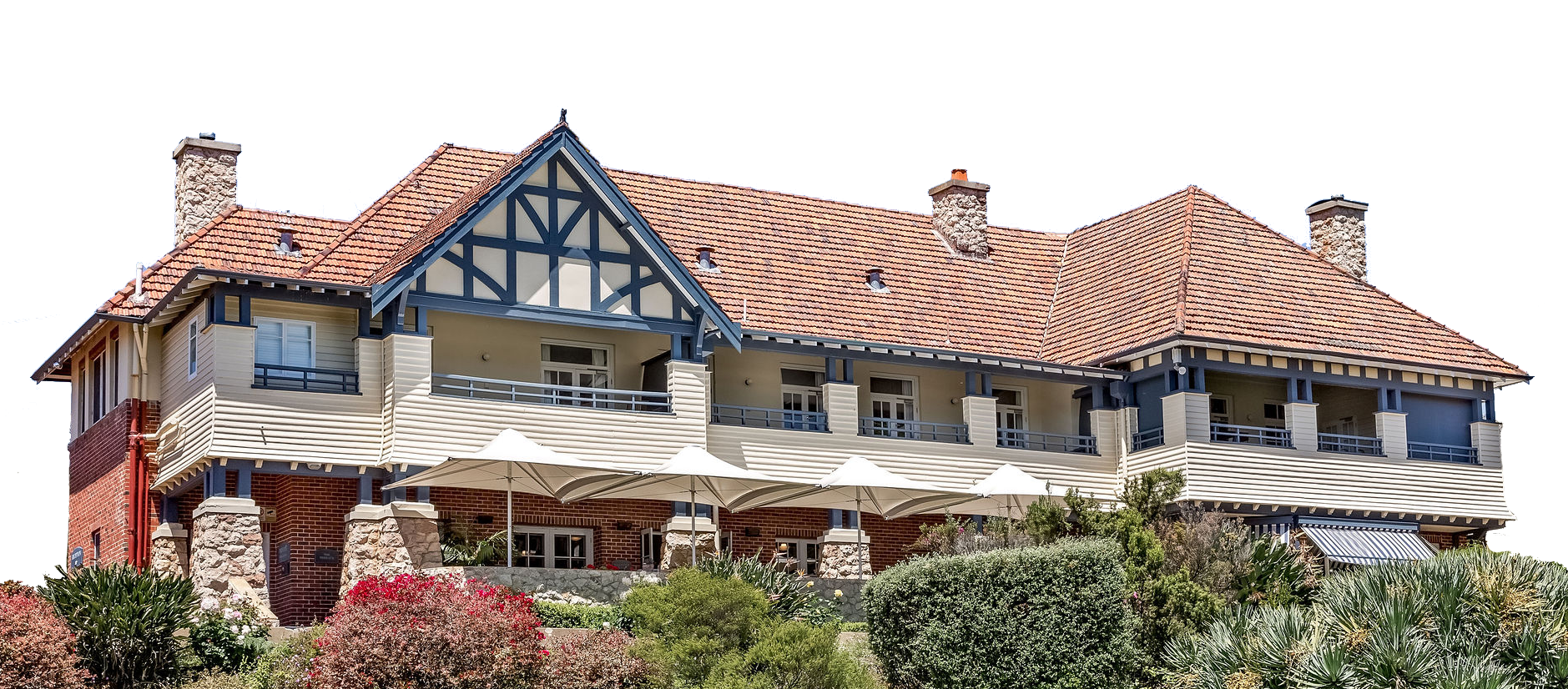
The story of Caves House begins before the hotel itself. In September 1899, Ngilgi Cave was discovered by a stockman named Edward Dawson, who stumbled upon it while searching for stray cattle. The government of Western Australia - with admirable foresight - immediately opened the cave to the public. Within a few years, visitor numbers demanded somewhere to stay. Caves House was the answer.
The original building was completed in January 1903: a two-storey timber structure with nine single rooms, three doubles, and a smoking room, at a total cost to the government of £2,729. It stood until a series of fires in 1928 and 1929 altered its western façade beyond repair. The current building - the art deco structure whose profile frames the view from every apartment balcony - was rebuilt and completed on the last day of 1938.
Since then, Caves House has passed through government ownership and private hands alike, through the rise of surfing culture in the 1950s and the transformation of the South West into one of Australia's most celebrated wine regions. The gardens were planted across generations and the 4.5 hectares of heritage grounds that surround the property today are a registered part of Western Australia's built heritage.
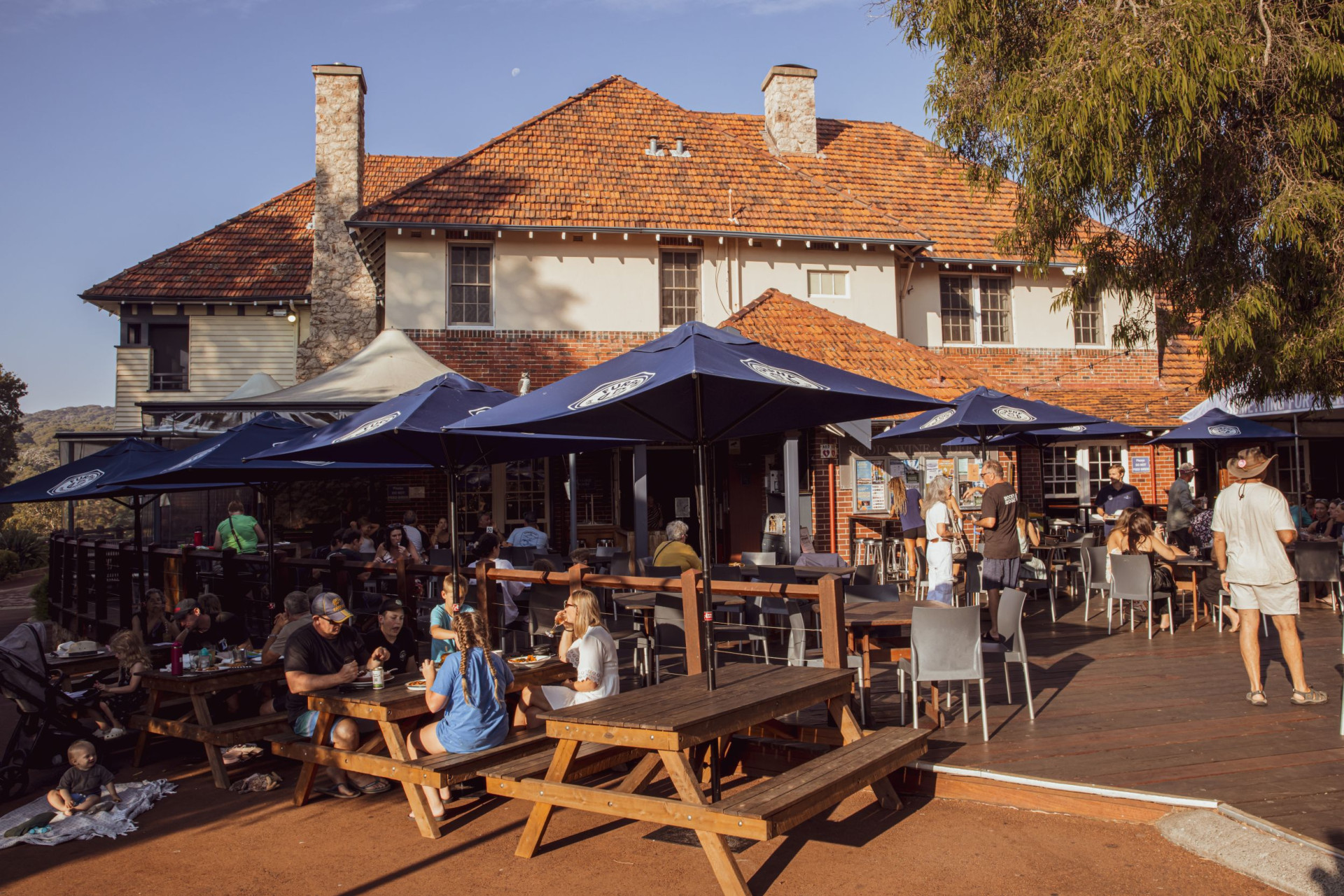
That heritage is still alive. On summer evenings, the grounds open for twilight markets - local producers, makers and musicians gathering under the old trees as the heat softens and the light turns gold. Through the cooler months, the hotel draws a different kind of crowd: jazz nights, handcrafted cocktails, and the particular warmth of a heritage bar doing what a heritage bar was made to do. Live music runs through both seasons. Caves House has always been a place people come back to, and this is part of why.
The apartments are a continuation of that story. The same address. The same gardens. A quieter, more considered way to experience a place that has mattered to this corner of the South West for well over a century.
Stay Up To Date